Anchor Chain Design Review
First Impressions of Anchor Chain Design
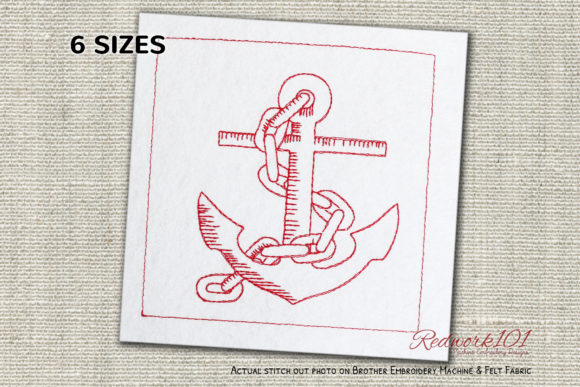
The Anchor Chain Design immediately evokes a sense of coastal charm and nautical flair. Its clean lines and structured form suggest a professional yet approachable aesthetic, making it ideal for small business merch, branded patches, and custom apparel. The design’s simplicity allows for versatility across various applications, from beach-themed boutiques to craft businesses looking for a unique brand identity.
With the Box Stitch being optional, the design offers flexibility in how it is rendered. This feature can be particularly useful when adjusting the design for different fabric types or embroidery styles. The outer Box color can vary, which adds another layer of customization—though users should be mindful of how this affects visual consistency with their overall branding.
Real Business Use of Anchor Chain Design
For small business owners, the Anchor Chain Design is a strong candidate for embroidered patches, staff uniforms, aprons, caps, and tote bags. Its bold shape ensures visibility even at smaller sizes, making it suitable for product labels and packaging accents. Whether used as a chest logo or sleeve detail, the design maintains its integrity without overwhelming the garment.
As a machine embroidery design, it works well on both light and dark fabrics, provided the thread colors are carefully chosen. For example, using a contrasting thread on a dark uniform can make the design stand out, while a matching thread may offer a more subtle look. This adaptability makes it a valuable addition to any embroidery file collection.
The design also shines in custom apparel projects, such as work shirts and event merch. Its structured nature allows for clear definition even at high stitch density, which is essential for maintaining quality in commercial embroidery. However, users should test it on real fabric before mass production to ensure the finished product meets expectations.
Where to Use Anchor Chain Design Carefully
- Small patch sizes: While the design is scalable, very small patches may lose some detail. Test at the intended size before finalizing.
- Cap fronts: The design’s structure may not fit well on curved surfaces. Consider simplifying or adjusting the layout if needed.
- Tiny lettering: If text is added, ensure it’s legible at the scale of the design.
- High stitch density: Monitor how the design behaves under heavy stitching to avoid puckering or distortion.
- Textured fabric: Some fabrics may affect how the design appears. Always test on the actual material.
- Dark uniforms: Ensure thread colors contrast sufficiently for visibility.
- Frequent washing: Check the durability of the design after multiple wash cycles, especially on items like aprons or tote bags.
Impact on Brand Identity and Customer Trust
The Anchor Chain Design contributes to a strong brand identity by offering a consistent visual element that aligns with beach-themed or nautical-inspired businesses. When used across merchandise, it reinforces recognition and builds customer trust. A well-executed design can elevate the perceived value of handmade products and custom apparel, making it a key asset for Etsy sellers and boutique brands.
Its professional appearance helps establish credibility, especially for small businesses aiming to present a polished image. Whether used on a cap, tote bag, or product label, the design supports a cohesive look that enhances the overall customer experience.
For crafters and digital embroidery file buyers, the Anchor Chain Design provides a reliable option for printable mockups and design assets. It serves as a foundation for creating visual consistency across marketing materials, ensuring that all branded items reflect the same level of quality and style.
Practical Embroidery Designer Notes
Before finalizing the use of Anchor Chain Design, consider these practical steps:
- Test in black and white: This helps evaluate the design’s clarity and contrast without the influence of color.
- Check small patch size: Ensure the design remains recognizable when scaled down.
- Review thread color contrast: Choose colors that complement the fabric and enhance visibility.
- Inspect spacing: Make sure the design elements are balanced and don’t appear cramped or stretched.
- Confirm hoop size: Ensure the design fits within your embroidery machine’s hoop limitations.
- Test on real fabric: Different materials may affect the final outcome, so always do a trial run.
- Use proper stabilizer: This prevents puckering and ensures a smooth finish.
- Create a mockup for client approval: Present the design in context to ensure it meets the client’s expectations.
- Compare beside other design assets: Ensure it aligns with your brand’s overall visual language.
- Confirm commercial licensing: Verify that the design is licensed for business use before production.
Conclusion: Anchor Chain Design for Small Business Success
The Anchor Chain Design is a versatile and effective choice for small business merch, embroidered patches, and custom apparel. Its clean, structured form supports a range of applications, from beach-themed boutiques to handmade shops and creative studios. By following best practices in embroidery, businesses can ensure that the design enhances their brand identity and delivers a professional, polished finished product.
Whether used on a cap, apron, or tote bag, the Anchor Chain Design offers a reliable and stylish solution for businesses looking to elevate their visual presence. With careful consideration of fabric, thread, and production details, it can become a staple in any embroidery file library.