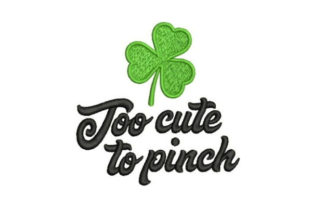
Too Cute to Pinch
The design titled Too Cute to Pinch offers a whimsical and lighthearted aesthetic that can be a perfect fit for small business merch, branded patches, and custom apparel. With its playful tone and St. Patrick’s Day theme, this machine embroidery design has the potential to resonate with a wide range of audiences, especially those looking to add a touch of fun to their brand identity.
First Impressions: A Design That Speaks Playfully
From the first glance, Too Cute to Pinch feels friendly and approachable. The design is likely intended to evoke a sense of charm and humor, making it ideal for businesses targeting a younger or more casual demographic. Its visual personality leans toward being playful and modern, with a style that could easily blend into both handmade product lines and commercial embroidery projects.
The title itself suggests a light-hearted message that can be used in various ways—on baby bodysuits, t-shirts, or even as a patch on workwear. This versatility makes it a valuable addition to any embroidery designer’s collection, particularly for small business owners seeking unique and engaging design assets.
Real Business Use: From Patches to Tote Bags
Too Cute to Pinch works well as an embroidered patch, offering a clear and recognizable image that can be applied to uniforms, aprons, caps, or tote bags. Its design is likely suitable for use on both light and dark fabrics, though care should be taken with thread color contrast to ensure visibility and professionalism.
As a chest logo accent or sleeve detail, the design adds a subtle yet eye-catching element to custom apparel. For small business merch, this could serve as a signature mark that reinforces brand identity and customer recognition. It also has potential as a product packaging accent or customer gift, adding a personal touch to branded items.
When used on tote bags or work shirts, Too Cute to Pinch can enhance the visual appeal of the finished product while maintaining a cohesive look. However, the design’s effectiveness may depend on the size and placement, especially when considering high stitch density or detailed outlines.
Where to Use Carefully: Limitations and Considerations
While Too Cute to Pinch is versatile, there are certain scenarios where it may not perform as well. On small patch sizes, the design might lose clarity, especially if there are intricate details or tiny lettering. Similarly, on curved surfaces like caps, the design could appear distorted if not properly adjusted during the digitizing process.
For items that require frequent washing, such as aprons or work shirts, the durability of the embroidery is important. Using the right stabilizer and ensuring proper hoop size can help maintain the quality of the finished product. Additionally, on textured fabrics or dark uniforms, the design may need adjustments to ensure it stands out effectively.
Impact on Brand Identity and Customer Engagement
Embroidery plays a significant role in shaping brand identity, and Too Cute to Pinch can contribute to a consistent and memorable visual presence. When used across different merchandise types, it helps reinforce brand recognition and build trust with customers.
This design can also elevate the perceived value of handmade products by adding a professional and personalized touch. For Etsy sellers or craft businesses, incorporating Too Cute to Pinch into their product lines can increase buyer engagement and create a stronger emotional connection with their audience.
As part of a larger set of design assets, Too Cute to Pinch can complement other branding elements, ensuring visual consistency across all marketing materials and product offerings.
Practical Tips for Embroidery Designers
Before finalizing the use of Too Cute to Pinch in commercial embroidery projects, it’s essential to test the design in black and white to assess its clarity and impact. Checking how it looks at a small patch size can help determine whether it’s suitable for limited space applications.
Reviewing thread color contrast is crucial, especially when working with dark fabrics or multiple colors. Ensuring proper spacing between elements and confirming the correct hoop size will help prevent issues during the embroidery process.
Testing the design on real fabric and using the appropriate stabilizer can improve the outcome, especially when working with textured materials. Creating a printable mockup for client approval ensures that the final product meets expectations before mass production.
Finally, always confirm the commercial licensing terms before using Too Cute to Pinch in business applications. This step is vital for protecting both the designer and the client from potential legal issues.
Conclusion: A Versatile Design for Creative Businesses
Too Cute to Pinch is a design that balances playfulness with practicality, making it a great option for small business owners, embroidery shops, and creative studios. Whether used as an embroidered patch, cap embroidery, or tote bag design, it offers a unique way to express brand personality while maintaining professionalism.
With careful consideration of placement, fabric type, and embroidery techniques, this design can become a valuable asset in a wide range of commercial embroidery projects. By following best practices and testing thoroughly, designers can ensure that Too Cute to Pinch delivers a polished and effective finished product for their clients.